Month: December 2023

Weight of our Sins ~ Josefina de Vasconcellos

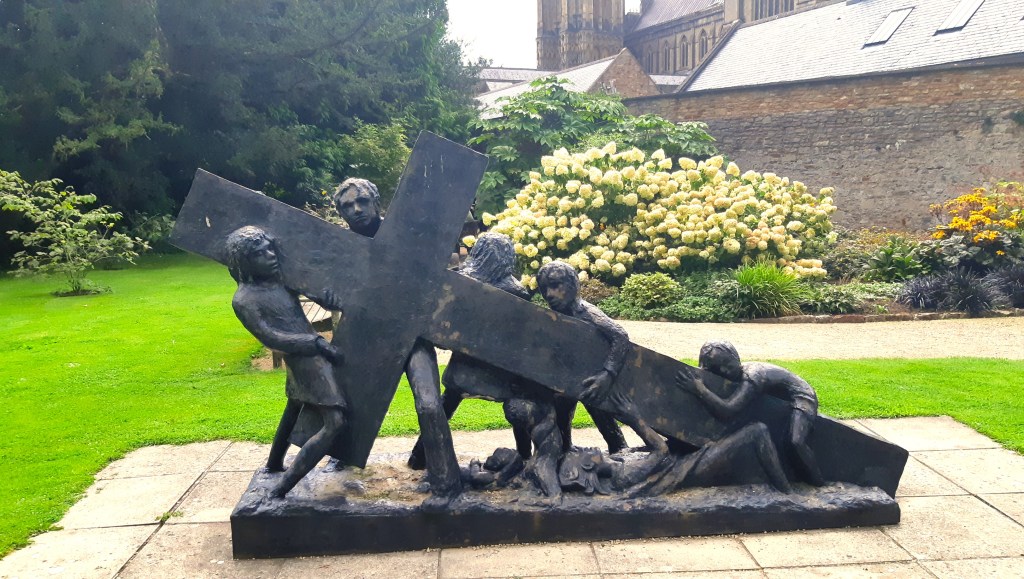
Josefina de Vasconcellos ~ The Weight of our Sins. Bishop’s Garden, Wells Cathedral. Photo by Piers Northam

The Weight of our Sins.

In the Bishop’s Palace Gardens next to Wells Cathedral, there is an amazing and disturbing statue by Josefina de Vasconcellos. It is called, The weight of our Sins. It was carved in 1999.
It centres on a Cross which eight children are holding up. They are bearing its weight and each is symbolic of a crime against children today. There is young person suffering from AIDS; a teenage boy who is a drug addict; a child blinded by a land-mine; another child represents the homeless; a baby who is victim of genocide; a girl is dying after experiencing serial sexual abuse. Poverty, deprivation and pain are also part of the message.
Josefina had a deep compassion for disadvantaged and damaged children.
She was also inspired by her belief that loving God led people to love one another and therefore help build a peaceful world. Josefina’s concern was for so many in our world who suffer because of cruelty and inhumanity. She had a particular sadness and love for the most vulnerable in our society. Unable to have children, she had a special concern for them. Though she died in 2005 the meaning of the statue couldn’t be more pertinent than today.

Children are suffering appalling life conditions and not just in placers like Gaza, the Ukraine, Syria, Yemen and South Sudan.
The tragedy of those forced from their homeland to live as refugees seeking the basic human need of shelter, food, water and warmth is something Josefina’s statue holds before us. Without doubt, one of the children clinging to the Cross would be representative of the boat people in the Mediterranean and the English Channel.
Another would possibly represent the children living in poverty and hunger in our own country. Having been brought up in the post war deprivation era it is hard to think that for many the conditions of that time are also still with us in the 21st century. Food Banks, substandard accommodation, debt and a sense that they don’t matter, is a scandal in a time when the divide between the ‘haves’ and ‘have not’s’ feels closer to Victorian England.
I think Josefina would have wept to see what is happening today.

Her concern for the well-being of children was expressed through her art, but together with her husband, Delmar, she took it further.
Her faith in God and her devotion  to the beauty of art and music, together with Delmar’s involvement as a Lay Reader in the Church of England’s ministry, led them to put their faith into action. They adopted two boys made orphaned by the Blitz on London; they opened their home to borstal boys whom she tried to encourage to express themselves through art and nature; they bought an old trawler and, after renovation and adaptation, moored it off the Cumbrian coast to provide an holiday experience for children coping with physical disability. She also created space, complete with appropriate sculptures for people whose children were stillborn.After her death, an Arts Trust was set up in her name which included the education and care of young people.

She named her Sculpture, The Weight of our Sins.  It is a charge she laid against all who harm and destroy children and childhood, but it is also a plea for a more “ethical reflection on the issues of the modern world, the meaning of childhood and what part we need to have in producing change and as a source of inspiration for word, art and music”
The message is clear in the sculpture in Wells. We cannot ignore our responsibility to change things for the world’s young ones, suffering because of what the so-called adult world is doing to them. It is human sin which is crushing the vulnerable and innocent victims because of what we are doing.
It isn’t enough to say it’s too vast a problem for us to have any effect or change.
Of course it requires international and national solutions but we can all play our part. We can pray and believe that prayer changes things, not least our own perceptions. We can help to relieve poverty. I have friends involved in running Food Banks. All of these Banks need donation of food; The lady who sells me Big Issue  magazine has a baby. Just buying the magazine, perhaps even giving more,  helps her.
Supporting charities such as  the Big Issue Foundation, Abraham’s Children in Crisis, Embrace the Middle East and a host of others is a good place to start. Small things bring big results. As Josefina said, loving God and caring for each other , can bring peace and love.

We can, if we accept our part in all this, move from being part of the burden which weighs down children to become those who help to raise them up with the weight of our love.

[This prayer was written by a group of children]
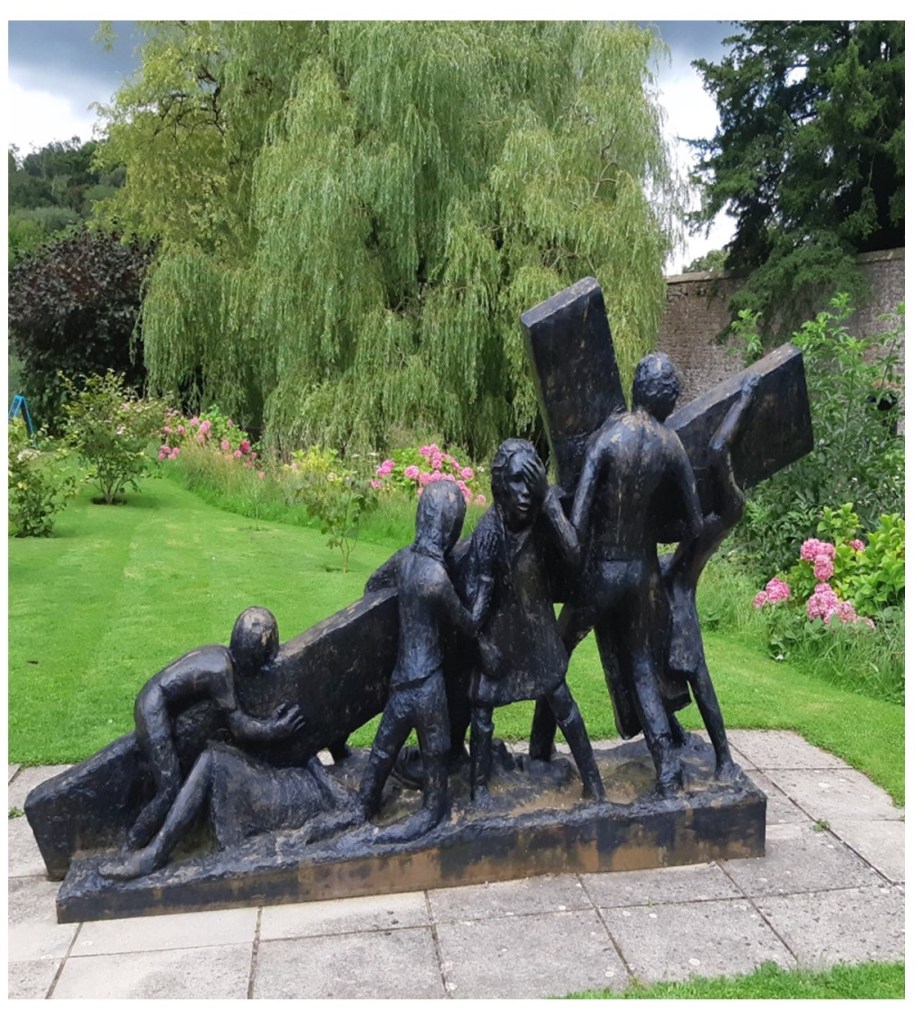
photo: Piers Northam

Walking in December

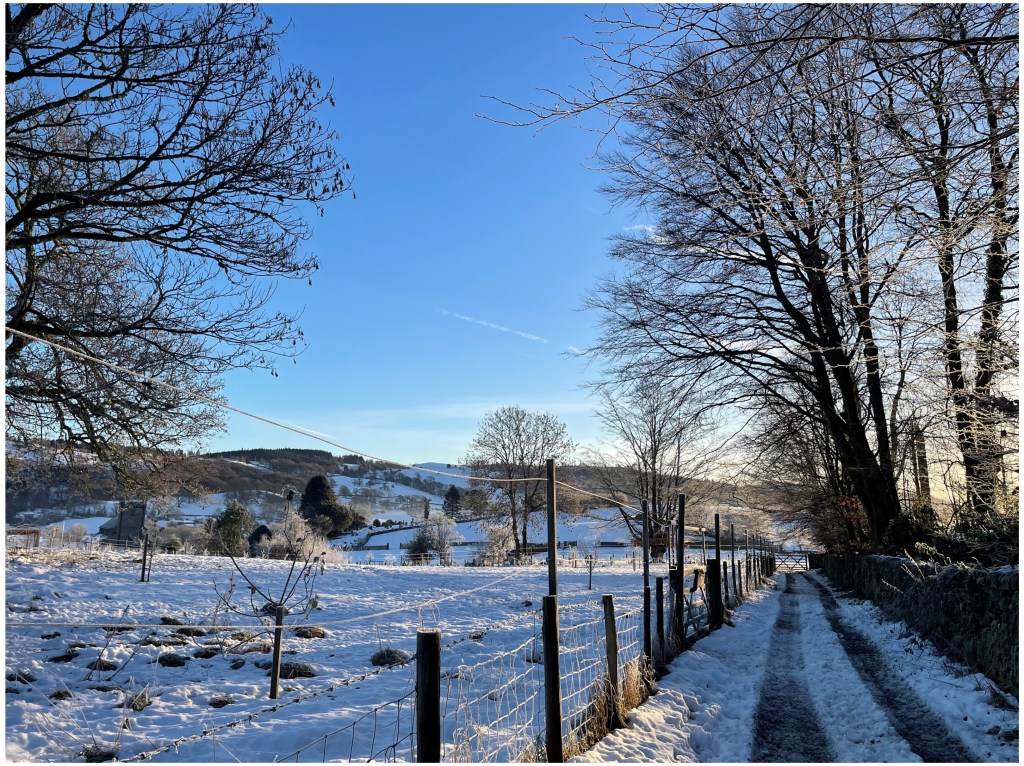
Vicarage Lane in snow. Photo by Gill Henwood

St Nicholas, good and holy man

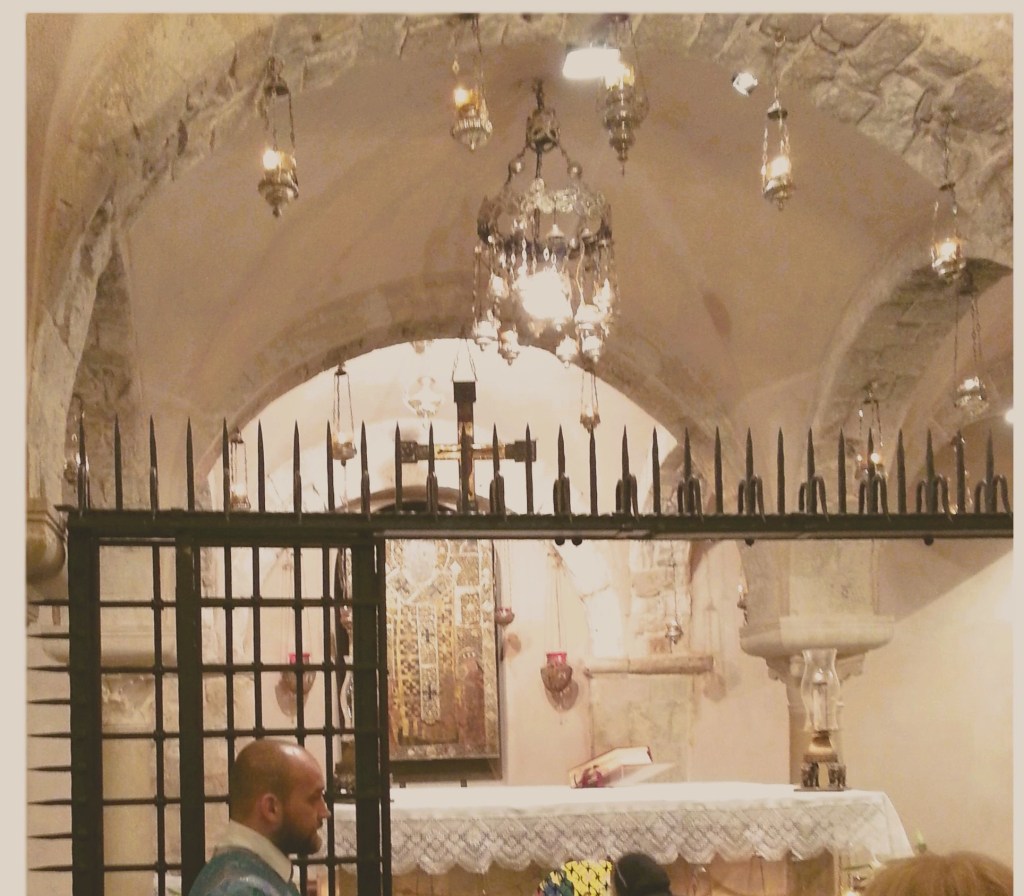
Shrine of St Nicholas, Bari, Puglia. photo by Mr G.

St Nicholas, kind, holy man, Feast day 6th December

Nicholas was a fourth-century bishop of Myra, a town in what is now southwestern Turkey, and we remember him because of the stories which have given him “a perpetual name for deeds of kindness on land and sea.”    People of the Church held him in high honour from a very early date and many stories came to be told about him.
The most famous of these tells of his merciful generosity.

Once there were three sisters whose parents were so poor that they thought of selling them. Bishop Nicholas heard of the sisters’ plight and tossed three bags of gold onto their doorstep — thus providing them with dowries for marriage and saving them from a life of prostitution.
Another version of this story is that one day Nicholas heard about a rich man in Myra who lost all his money when his business failed. The man had three lovely daughters, all wishing to get married, but he had no money for their marriage. Besides, who would marry them since their father was such a failure? With nothing to eat, the man in desperation decided to sell one of his daughters into slavery. At least then the rest of them might survive. Before the first daughter was to be sold, Nicholas, with a small bag of gold in his hand, softly approached their house, and, tossing the gold through an open window, quickly vanished into the darkness.
The next morning, the father found a bag of gold lying on the floor next to his bed. He had no idea where it came from. The poor man fell to his knees and great tears came to his eyes. He thanked God for this beautiful gift. His spirits rose higher than they had been for a long time because someone had been so unexpectedly good to him. He arranged for his first daughter’s wedding and there was enough money left for the rest of them to live for almost a year. He often wondered who gave him the gold. By the end of the year, the money had run out and the father, again desperate and seeing no other way open, decided his second daughter must be sold. But Nicholas, hearing about it, came by night to their window and tossed in another bag of gold as before. The next morning the father rejoiced, and, thanking God, begged His pardon for losing hope. Each night afterwards the father watched by the window. As the year passed their money ran out again. In the dead of one night he heard quiet steps approaching his house and suddenly a bag of gold fell onto the floor. The father quickly ran out to catch the one who threw it there. He caught up with Nicholas and recognized him, for the young man came from a well-known family in the city.  “Why did you give us the gold?” the father asked.
“Because you needed it,” Nicholas answered.
“But why didn’t you let us know who you were?” the man asked again. “Because it’s good to give and have only God know about it.”
Whichever story true, the good and kind deed became the reason why Nicholas is considered the special protector of children. In memory of his deed of mercy to the three sisters, the Dutch developed the custom of giving gifts to children on his feast-day, 6th December but there are so many similarities with the secular legend of Santa Claus, Nicholas became associated with Christmas. In Holland, where he is patron saint his day remains a festive one. 

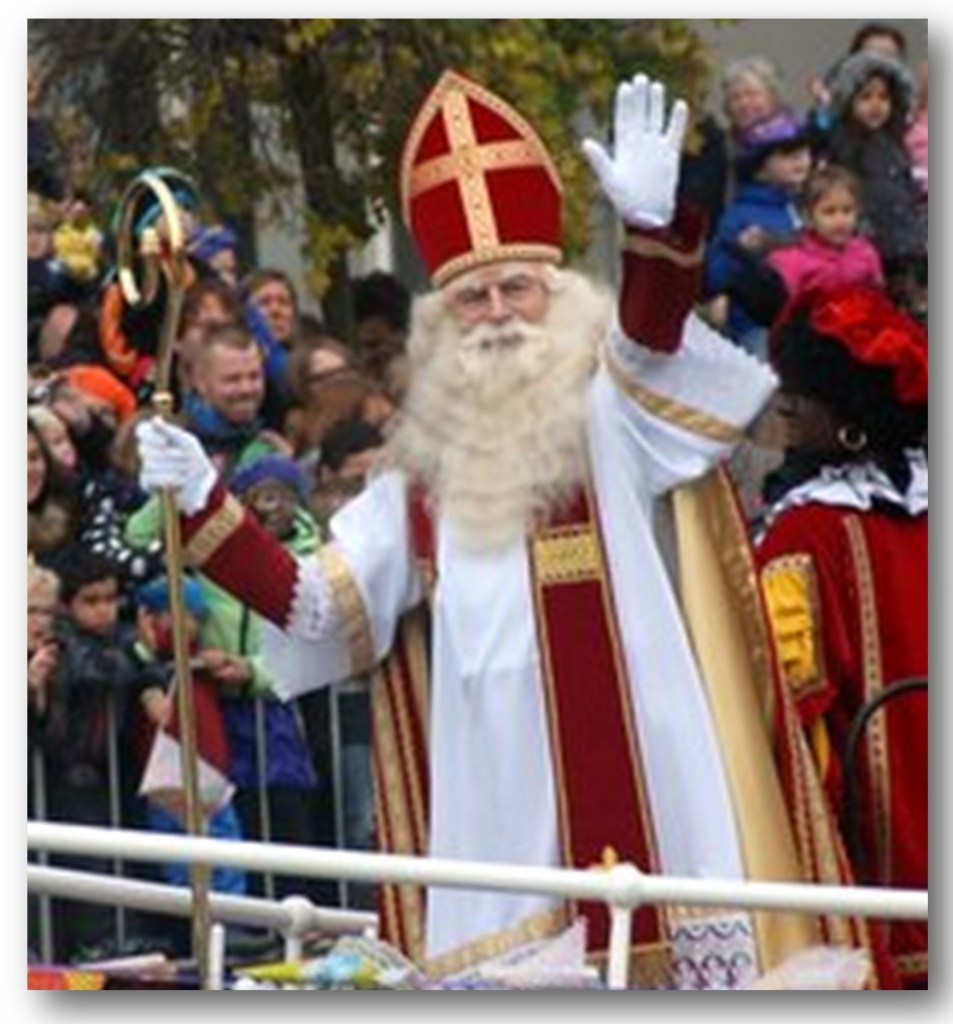
Sinterklaas often arrives in Amsterdam by canal boat when he is greeted by the children (and many adults too!).
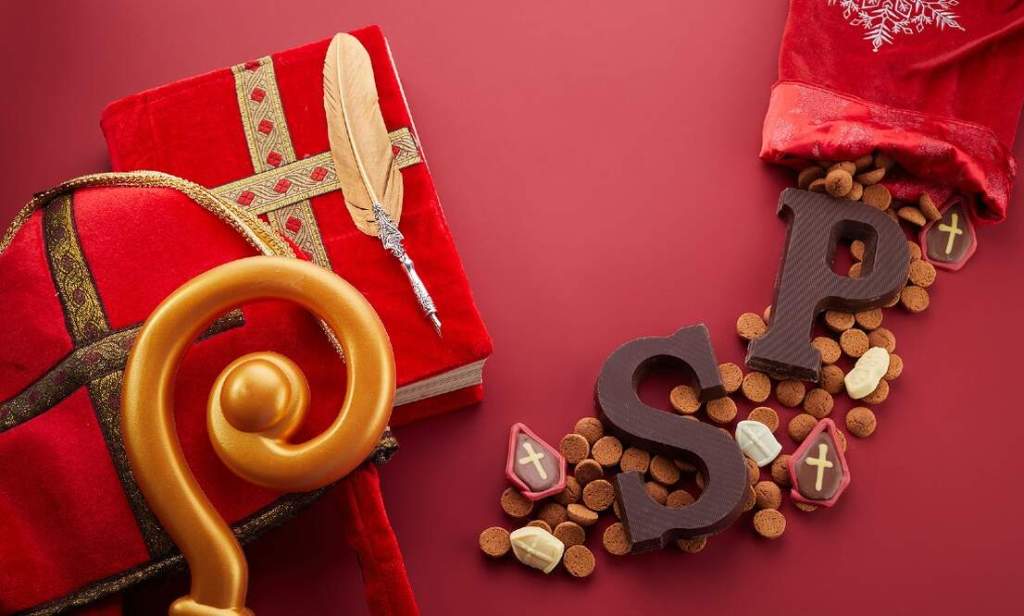
One of the customs associated with this day is the giving of chocolate letters. They are offered in every letter of the alphabet, in milk, dark and white chocolate. People are given letters in the alphabetical letter of their own name.

Another story tells how a company of seafarers were caught in a storm off the coast of Asia Minor. The waves were swamping their ship, and the mariners were nearly at their wits’ end when they remembered what they had heard about the bishop of Myra. Though he was still alive, the sailors cried out his name and implored his help. The legend says that Nicholas himself suddenly appeared in the rigging of their ship and calmed the storm, so that the ship and all who were in it came safely to port.
Nicholas is considered the patron saint of many other groups besides children and sailors. The common thread in all these claims on his heavenly protection is his legendary kindness to those in need — and his special care of those who follow his storied example by aiding the desperate, the needy, and the sick.

At first, the body of Nicholas was buried in Myra where he was bishop, but, in the 10th century, during a time of upheaval, sailors from Bari in Puglia, Southern Italy, removed his body and he is now buried in the Church of St. Nicholas, Bari. Many pilgrims visit his tomb in the Crypt which, unusually in a Roman Catholic Church, is tended by Easter Orthodox monks.

It is in the Netherlands, however, where he is much celebrated and it is a special day for the Dutch people.

O Lord our God, grant us so to cherish the example of your servant Nicholas,
that our offering may have justice as its consort and mercy as its sovereign.
We ask this in the Name of Jesus Christ the Lord.

[Mr G]

(some information is from ‘For all the Saints’ the Episcopal Church of Canada.
The second story of the gold given for the freedom of the three girls is adapted from Father Victor Hoagland, CP)

Let it glow

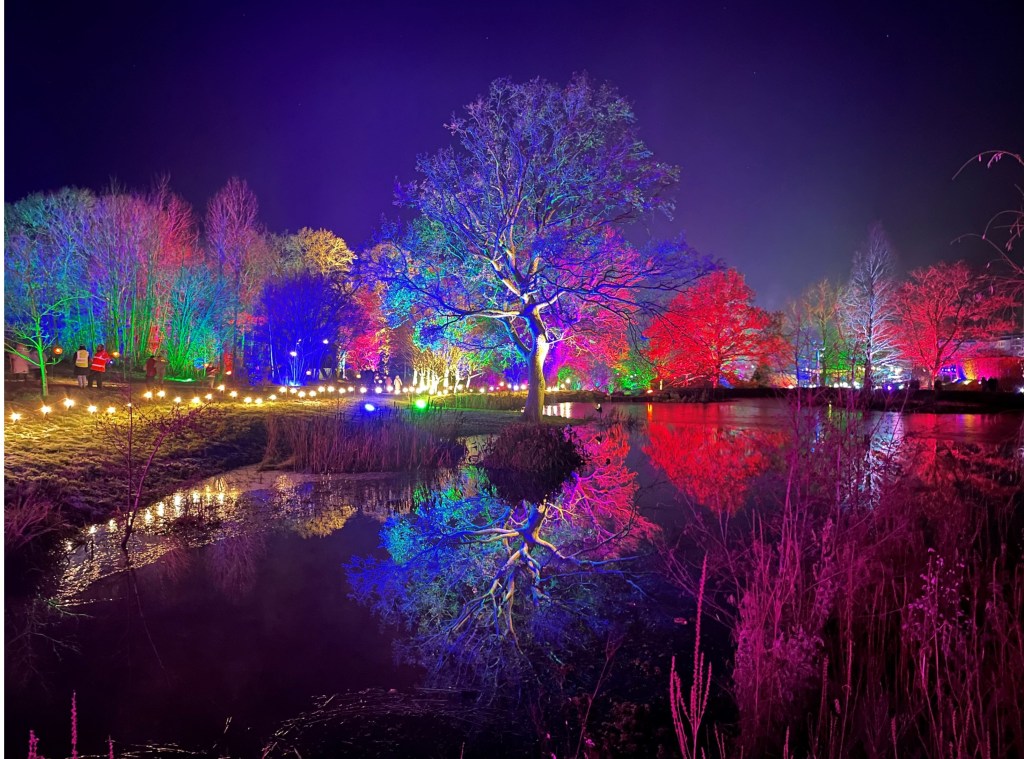
Glow Festival, Harlow Carr. photo by Gill Henwood

Let it Glow! Enjoy an unmissable after-dark spectacle of lights at RHS Gardens this festive season

Winter needn’t be doom and gloom. The snow can be a hazard for travellers and people living alone or in isolated places but it also brings its own beauty and even quietness.
The Royal Horticultural Society at its 5 Gardens, Wisley, Harlow Carr, Hyde Hall, Bridgewater, Rosemoor are brightening the winter evenings with ‘Glow’ Festivals.
Light displays around the gardens and illuminations on and in trees bring a magical beauty. A reminder that light arrangements penetrate the winter cold and gloom. In frosty (even snowy!) weather the combination with coloured lights is, for many of us, a cheerfulness which delights.
(Sorry if you don’t agree!!)

The photo above was taken by my friend Gill Henwood at a visit to the Glow Festival at Harlow Carr Garden, near Harrogate, Yorkshire. There are variable dates at the Gardens, some not ending until 30th December. If you live nearby any of the gardens, look up the Royal Horticultural Society website for further details.

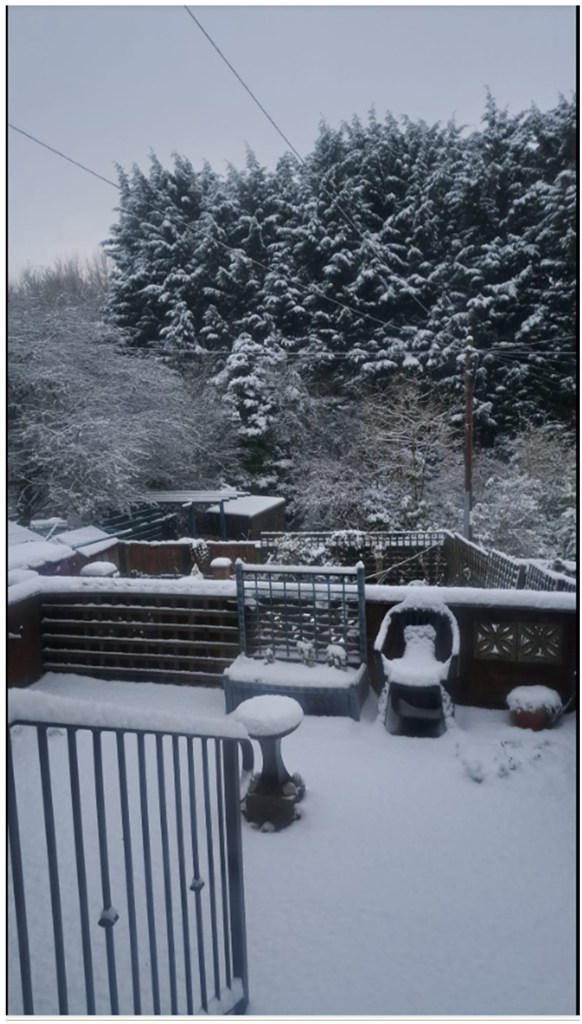
Meanwhile, my friend Heather Upfield has sent me a photo, from the West Coast of Scotland,
of her garden and trees beyond, clothed in snow and breathing tranquility. So peaceful!

Both photos are aspects of Advent.
The expectation of Light from God coming into the world, and the quietness and gentleness with which, in the birth of Jesus, He does it.

[Mr G. 3rd December 2023]