Tag: Passiontide

Standing near

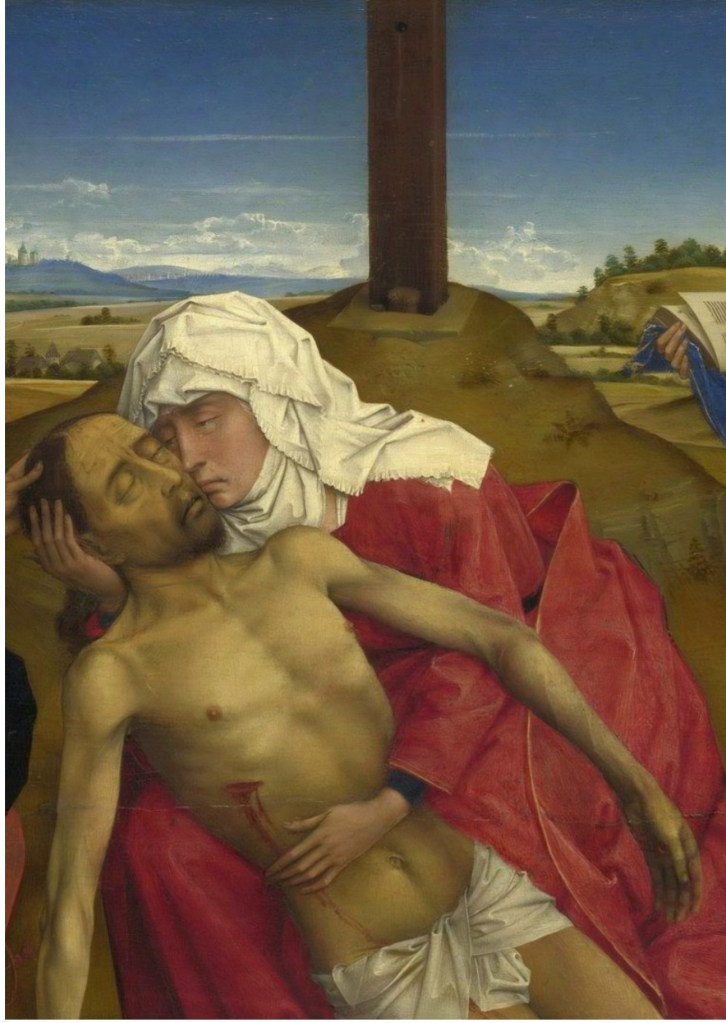
Pietà. Rogier van der Weyden

A poem for Good Friday by Piers Northam

Standing near

Their eyes never leave you, 
together confronting the agony 
as you are pinioned to the cross 
and crucified.

Three long hours. 

Their presence is unwavering, 
their gaze unflinching,  
though a sword pierces 
their own anguished hearts.

Among them, the one 
who endured the agonies 
of bringing you into the world: 
who cradled the infant you. 
Now you are held in her gaze, 
her eyes fixed on you 
as she stands close by.
Soon she will cradle 
your stiffening, lifeless body. 

Where others have faltered and fled, 
these are the ones who remain, 
their presence, all that is left to give:
a wilful resistance, 
a faithful standing by, 
a harrowing witness.

Here, at the foot of the cross, 
is true strength, 
true devotion:
a love that is unsparing
and never turns away… 

Passiontide 2026
Piers Northam.
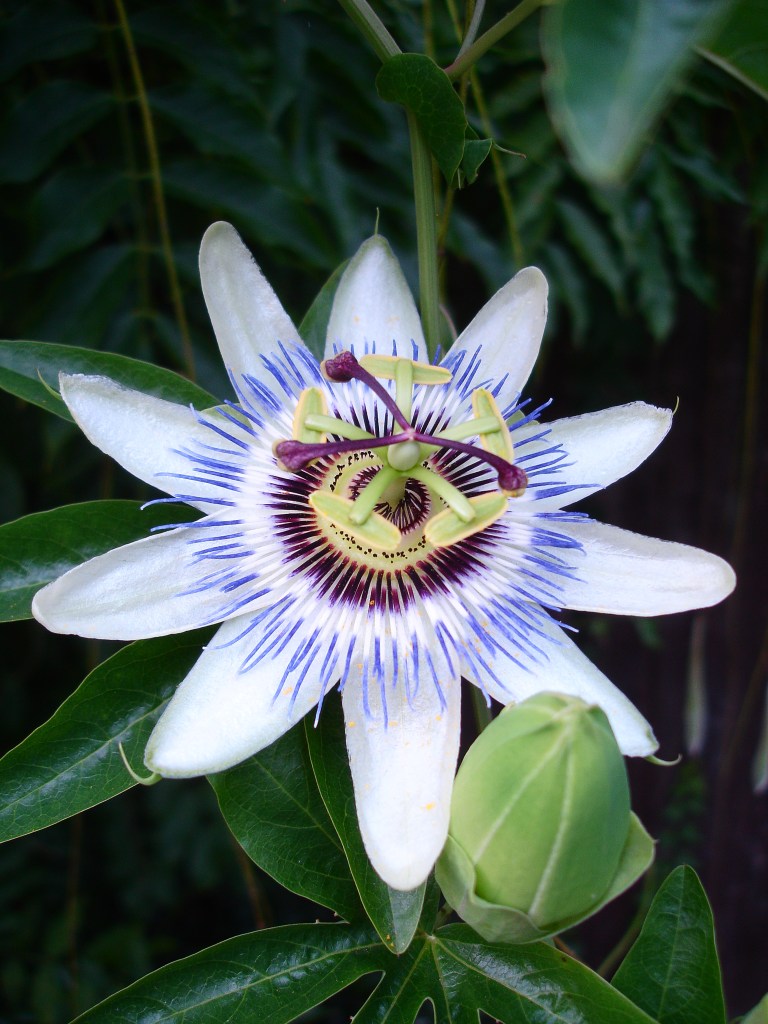
Flower of the Five Wounds

Photo of a Passion Flower, taken by Piers Northam in the Chiltern Hills.

A FLOWER OF THE SEASON

The Passion Flower

Yesterday the church began Passiontide which is the week leading up to Holy Week, the second half of Passiontide. One of the signs of this season is a beautiful flower known as the Passion Flower.

Tradition has it that when Christian missionaries arrived in South America in the 16th century they found a flower which symbolised the death of Christ. They named it  la flor de las cinco llagas— the flower of the five wounds.  Later it came to be known as the Passion Flower.

A lot of symbolism was read into its design.

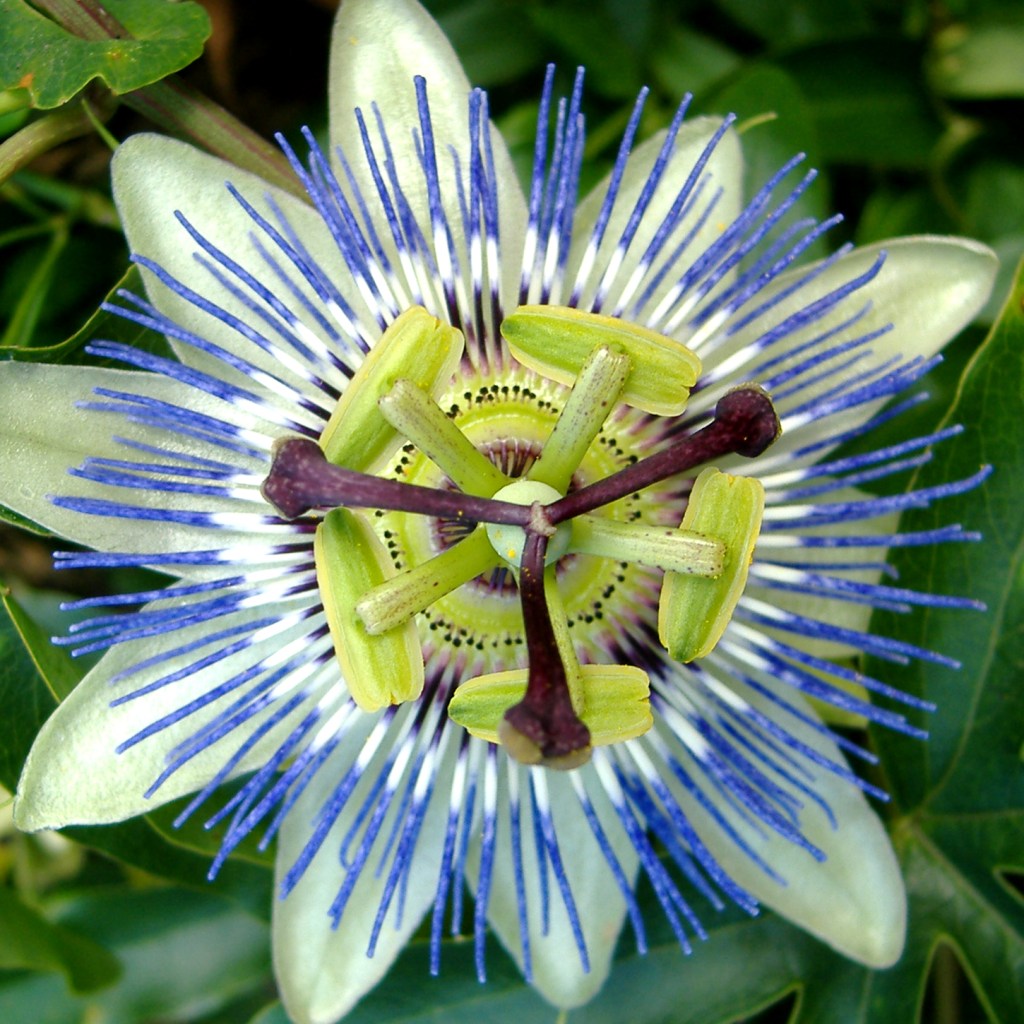
The five petals and five sepals spoke to the missionaries of the five wounds of Christ. Taken together, they represent the ten disciples who did not deny Christ (excluding Judas and Peter); the Radial filaments of the flower, known as the corona, represent the Crown of Thorns. The three stigmas at the centre of the flower symbolise the nails used in the crucifixion. The spiraled tendrils curling from the flower are symbols of the whip used to scourge Christ.

The fragrance of the flower helped to recall the spices used to embalm the body of Christ. Finally, the globular egg-size fruit of the plant was seen as a symbol of the world that Christ came to save through his suffering.

Using this plant, which grows wild in South America, the missionaries were able to teach the natives about Christ’s Passion in much the same way as St .Patrick taught the Irish about God by using the shamrock.

photo | Piers Northam