Tag: St Ambrose

Our Common Home

Hay bales in a Normandy field. Photo by Mr.G.

The time between September 1st and October 4th (The feast of St. Francis) is used by many Christians, other believers and organizations concerned about our Planet, as a time of meditation on Creation, our part in caring for it, and the dedication our lives anew to God who we celebrate as Creator and Sustainer of life

The photo of the Hay bales seems to express something of the beauty of the earth and gives me joy.  The bales were typical of the countryside of Normandy where I recently spent some time. Gathering in the hay and bind it in round bales was going on in many fields and farms. I was pleased to see that the bales were tied naturally and not, as is so often in England, bound in unsightly black plastic.

Rural Communities rarely have an easy time of it, so I am not moaning.   As well as farming and managing woodland, farmers often bear the brunt of the general failure to care for our planet. We dump on the rural communities a responsibility for caring about ecology and promoting climate change as well as nurturing the land to provide food and having consideration for their animals. Meanwhile, many enjoy the delights of the countryside, free of charge, even insisting that maintenance and trouble free access is our right and we expect the farming community to maintain it so that we might not feel responsible. A generalization, I know, but it contains truth.
Many of us know that blaming others for things that go wrong or which don’t achieve our aims is an excellent way of ducking out of our own responsibility! Yet we don’t fool anybody, not even ourself.

Equally importantly is our concern for those in our world who are without food or water. We have a duty of care for the people who live in poverty and destitution either through crop failure; the inhumanity of war; or in our own country where people are reliant on Food Banks or through meals provided for children who otherwise go hungry.

There are big issues around our stewardship of God’s creation and climate change but if we do just little and responsible things like random but heartfelt acts of kindness to others, especially the poor and needy, then the world becomes a better place.
I am constantly being drawn back to something Saint Ambrose said:
“It is not from your own possessions that you are bestowing alms on the poor, you are but restoring to them what is theirs by right. For what was given to everyone for the use of all, you have taken for your exclusive use. The earth belongs not to the rich, but to everyone. Thus, far from giving lavishly, you are but paying part of your debt.”

 Here is a prayer we might consider saying, though it is uncomfortable!

A Prayer based on Psalm 102:5 (offered as a resource from the Churches)

“Future generations will never forgive us if we miss the opportunity to protect our common home.
We have inherited a garden; we must not leave a desert for our children.”
Joint statement from Pope Francis, the Ecumenical Patriarch Bartholomew
and Archbishop Justin Welby of Canterbury.

[Mr G]
Rogation.

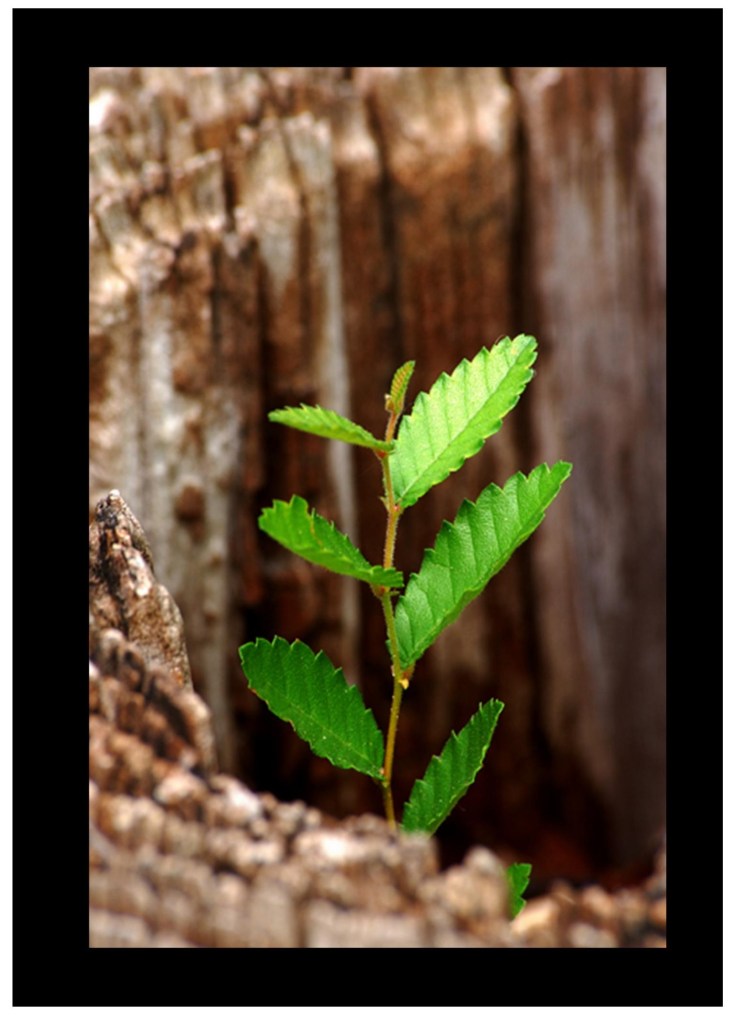
We come to God with seeds of divinity tucked deep inside us and he tends and cares for us, enabling us to grow,
to put down roots and send out branches… (Piers Northam)


Rogation

The days before Ascension Day are known in the Church as Rogation days. The word Rogation comes from the Latin rogare meaning to ask.In the Book of Common Prayer, the Gospel for this Sunday includes the words of Jesus ‘Whatsoever ye shall ask for in my Name, I will give it you’.

Traditionally what is asked for during this period before Ascension Day is for God to bless the crops. It is a religious festival observed these days more in the countryside than in the town but all of us need to give thanks not only for the food we eat but also for those who work to provide it — Farmers and sea fishermen in this country and many others throughout the world. We take so many of these for granted and often care little to know how the food reached the supermarket shelves.

It’s the same, of course, with other goods made cheaply in the Third World. It is only when events like the collapse of a factory in Bangladesh hit the headlines that we begin to question the ethics of slave-labour and inhuman working conditions.  Labels saying made in India, made in China, etc are giveaways. Such goods are more than likely made cheaply and using slave-labour. Unless we want a troubled conscience, it’s best not to think of that!

But, Christians are working for a fairer world in which workers are respected, given decent conditions in the workplace, and given a fair wage. We are also at war with the child abuse which sends small children into factories.  Historians can remind us that in Victorian times we sent them up chimneys but hopefully we’ve moved on from that. We want other countries to move on too. Which is where agencies like Christian Aid come in. Christian Aid is a charity set up by British Churches who work through the Church communities of the third world. So it’s our Charity and through its agency it does a number of things on our behalf.

First and foremost it helps the world’s poor in pragmatic ways through direct help in fighting poverty, malnutrition and disease. It works through local people in order to help them own the work being done. Christian Aid also challenges Governments including our own. Much that passes for overseas aid is tied aid. It helps our own industry as much as it helps the poor. There are often conditions placed on the aid we give. And, of course, Governments can withdraw such Aid whenever they like, often without discussion. This leaves the country being helped in a desperate plight. So Christian Aid is political though not in the party sense.

It challenges not just Governments but Industry, commerce, and all who make money out of the poor. It is a legitimate part of Christian Aid’s work. It also challenges us as individual Christians and as Church communities. It challenges us to pray for the world’s poor and to be in solidarity with them. It challenges us too to act fairly in the things we buy.

One of the great successes of Christians working with others is the Fair Trade movement. Even the most die-hard supermarkets stock some Fair Trade goods these days. Not more than 10 years ago, you could only buy Fair Trade goods in the Co-op and in the Oxfam shop. Today Fairtrade is more widespread. In Churches, Traidcraft stalls are also more popular and are making a big difference to Third world towns, villages, hamlets. Those making the goods we buy are happier, better provided for and, most of all, they are given human dignity. They can be proud of what they make and we can be both proud and humbled in buying those things.

It is no accident that Christian Aid Week comes usually near to Rogationtide. Those taking out envelopes, distibuting leaflets and those organizing events are asking. They are asking people to share amazing week when ordinary people throughout the land, giving small and large amounts, are really making a difference and changing lives.

Alongside the asking comes the thanking. In asking for justice, mercy and love for the third world we are mindful of the rich and bountiful provision God has made for all who live on Planet Earth. God has also given the means to replenish the land and the sea so that all can be fed, watered, sheltered and fulfilled, The fact that we misuse and abuse this is not God’s fault. If the World Governments willed it, poverty could be ended at a stroke. But it isn’t and whilst we might ask why not, it will be God who will make the final judgement. It has been said that when we meet God the question he will ask each one of us is, How much have you loved?  It demands more than words for an answer. Those who withhold what can help others should not be surprised if God is not impressed!
St. Ambrose, long ago, said that when we give to the poor we are merely giving back to them the portion that is rightly theirs. What he said is worth considering at Rogationtide.

It is not from your own possessions that you are bestowing alms on the poor, you are but restoring to them what is theirs by right. For what was given to everyone for the use of all, you have taken for your exclusive use. The earth belongs not to the rich, but to everyone. Thus, far from giving lavishly, you are but paying part of your debt.

St. Ambrose.

Almighty and eternal God, you crown the year with your goodness
and give us the fruits of the earth in their season:
grant that we may use them to your glory;
so that none may hunger,
none may thirst,
and all may cherish the gifts of your creation;
through Jesus Christ, our Lord,
who lives and reigns with you,
in the unity of the Holy Spirit,
one God, world without end.

Amen.