
Today is World Bee Day
St John Chrysostom, an important early saint of the Church, said of Bees
The bee is more honoured than other animals, not because she labours,
but because she labours for others.
We all depend on the survival of bees.
Bees and other pollinators, such as butterflies, bats and hummingbirds, are increasingly under threat from human activities. Pollination is, however, a fundamental process for the survival of our ecosystems. Nearly 90% of the world’s wild flowering plant species depend, entirely, or at least in part, on animal pollination, along with more than 75% of the world’s food crops and 35% of global agricultural land. Not only do pollinators contribute directly to food security, but they are key to conserving biodiversity.
To raise awareness of the importance of pollinators, the threats they face and their contribution to sustainable development, the UN designated 20 May as World Bee Day. The goal is to strengthen measures aimed at protecting bees and other pollinators, which would significantly contribute to solving problems related to the global food supply and eliminate hunger in developing countries. We all depend on pollinators and it is, therefore, crucial to monitor their decline and halt the loss of biodiversity. Bees and other pollinators are fundamental for the health of ecosystems and food security. They help maintain biodiversity and ensure the production of nutritious food. However, intensive monoculture production and improper use of pesticides pose serious threats to pollinators by reducing their access to food and nesting sites, exposing them to harmful chemicals, and weakening their immune systems. (Source United Nations)
Did you know ?
Bees already work under considerable difficulty even before we get involved!
According to all known laws of aviation, there is no way that a bee should be able to fly. Its wings are too small to get its fat little body off the ground.It’s something to do with its body mass in relation to its wing span. It’s all been tested out, using the science of aerodynamics and a wind tunnel.The Bumble Bee is, however, blissfully ignorant of this scientific fact and, possessing considerable determination, and refusing to accept a low expectation of its capabilities, it not only does fly, but it makes a little honey too!
Perhaps we can bear that in mind when we are faced with difficulties about things we can or can’t do. Even more important when others tell us what we can’t do. Think of the bee and don’t let others put you down.
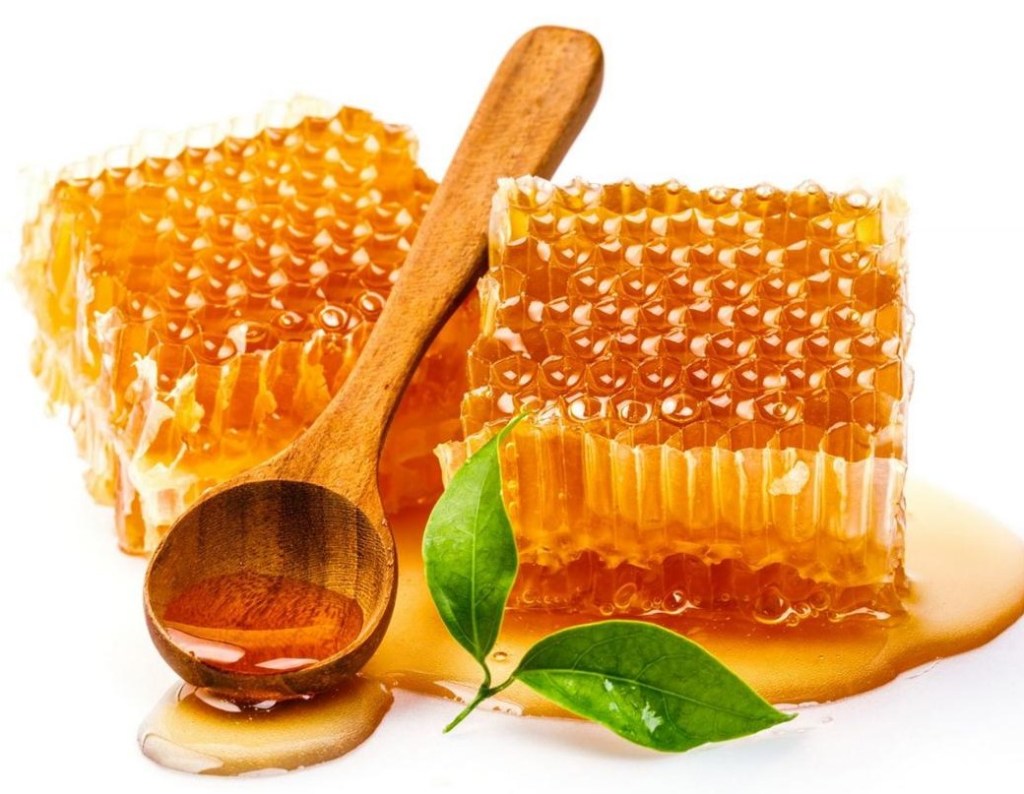
The spirituality of bees includes working alongside others in the hive as a team but, there is a co-operation of a different kind. It is a lesson in working together in the making of honey. This reflection is by Kahil Gibran in his famous book, The Prophet.
And now you ask in your heart,
“How shall we distinguish that which is good in pleasure from that which is not good?”
Go to your fields and your gardens, and you shall learn that it is the pleasure of the bee to gather honey of the flower,
But it is also the pleasure of the flower to yield its honey to the bee.
For to the bee a flower is a fountain of life,
And to the flower a bee is a messenger of love,
And to both, bee and flower, the giving and the receiving of pleasure is a need and an ecstasy…
… be in your pleasures like the flowers and the bees.
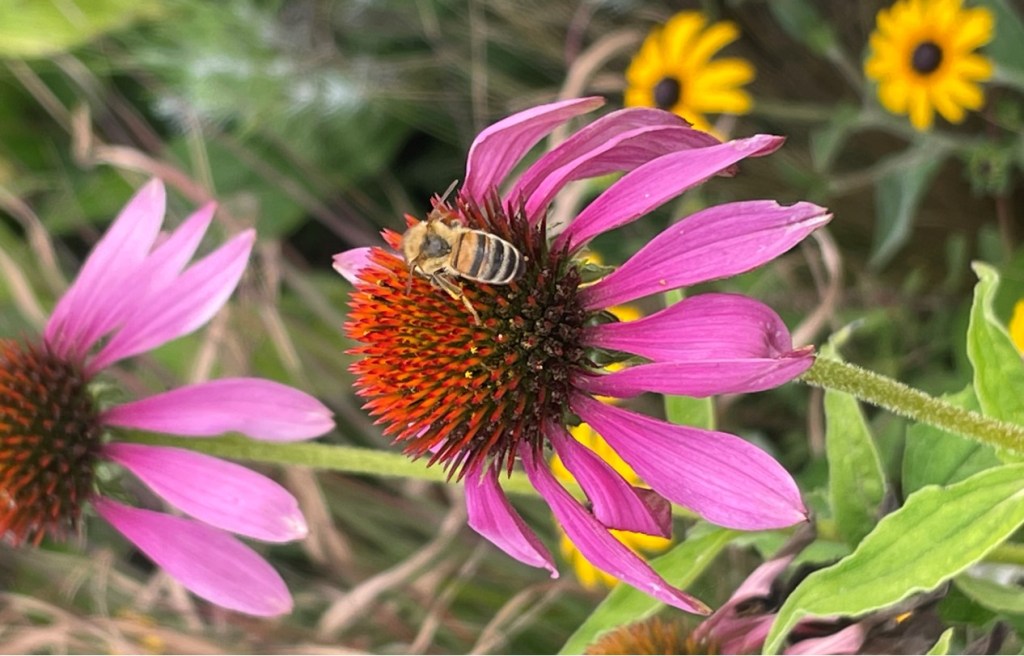
God is pleased when we work together for the common good and, as Kahil Gibran points out, we can learn much from the bees and the flowers.
A prayer (part of a prayer liturgy by Douglas Kaine (from Every moment is holy)
God, we thank you too for the small comedy of the creatures
for the humour of their constant severity,
for the buzz and the bumbling of bees in flight,
for the sight of bees bending
slender stalks to harvest in the blooms,
their feet shod in bristling boots of gold,
their backs fuzzed with bright yellow dust
that is the colour of joy made visible.
[Mr G]

 Mr G's Ponderings