
Holocaust Memorial
As I lit a candle at 8pm tonight, in a window of my home I thought about the many millions of people who have suffered and died at the whim of tyrannical regimes who pursued warped and insane ideologies. People who cared only about themselves and their self centred beliefs. Germany, under the power of Adolf Hitler and his Nazi’s has come to symbolize this evil which destroys others in demonic acts of unadulterated hatred. This included not only Jews but gay people, gypsies, those challenged with physical and mental illness and black people who suffered in their millions. The Germany of today is very different but these demonic inhuman acts go on still in our world today.
The taste of death; the scars of life; broken memories; shattered families; history of peoples trod upon. No words can describe what it was like or what it would come to mean. Only those who were there in the camps could even begin to tell us, just as today only those who suffer through immense acts of inhumanity can really understand what it’s like.
Yet just as at every Remembrance Sunday, the moving Khoima Epitaph is spoken with its words, for your tomorrow, we gave our today, so the candle and the prayers and the remembrance of those whose lives were destroyed in the camps has a similar message. No more evil and destruction of people in an outpouring of the demonic on that or any scale. We too gave our lives for your freedom – do not squander our sacrifice. Work for the good, the peace, the harmony of all.
We are all human and equal in God’s sight, in God’s care.
So we are to be Watchful, having concern for and holding fast to what it means to be truly human and in love with what that involves. We are to be generous, kind, compassionate, merciful and just .
Whilst it is all too easy to be angry, hurt and resentful, about the holocaust and those who suffered so deeply, it is easy too to be angry about the treatment of refugees and displaced people of today and those living in poverty and need of all kinds. Also, those who are different in race,colour,sexuality,gender and creed. To overcome those negative feelings there must be room for ‘Forgiveness’, born out of love.
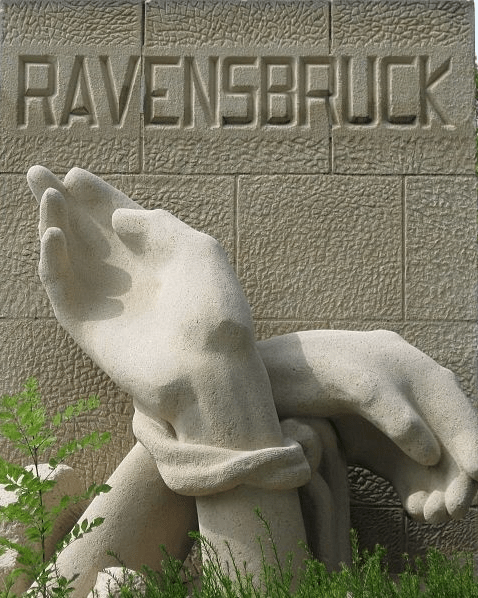
When the Ravensbruck Concentration Camp in Germany was liberated at the end of the Second World War, a prayer was found on a scrap of paper in the camp, and it is often used today in acts of remembrance for the Holocaust victims. Both the Jewish, Christian and other faiths teach followers not to seek revenge, but to pray for their ‘enemies’, for those who hurt them, or who make them suffer in some way. Although many Jews, Christians, and those who follow other faiths find this extremely hard, there are always some who astound us by their love and generosity.
In the Bible, God’s judgment is seen as something positive, something to look forward to.
Psalm 96 talks of the earth rejoicing and trees singing for joy when God comes to judge the earth. God’s judgment is seen as the time when wrongs will be put right, when those who suffer injustice or oppression will be rescued. But God’s judgment is also seen as merciful. Christians believe God’s judgment will rescue the perpetrators from their wrongdoing, as well as their victims.
Here is the Prayer. It is moving, amazing and deeply generous. It is born out of compassion and mercy.
Lord, remember not only the men of good will, but also those of ill will.
But do not remember all the suffering they have inflicted upon us.
Remember rather the fruits we have brought, thanks to this suffering:
our comradeship, our loyalty, our humility, the courage,
the generosity, the greatness of heart that has grown out of this.
And when they come to judgment,
let all the fruits we have borne be their forgiveness.
Then said Jesus a fellow Jew, Father, forgive them; for they know not what they do. (Luke 23:34)
[Mr. G]
 Mr G's Ponderings