
The photograph above was sent by my friend Gill who received it from her friend Kate. It is a picture taken at the Marsden Cuckoo Festival which was held last weekend.
Marsden is in West Yorkshire near Huddersfield and the Cuckoo is welcomed back after its time of hibernation in warmer climes. Marsden is a village set in the steep-sided Pennine valley. It is within the National Trust’s Marsden Moor Estate.
The Festival includes a colourful procession, craft fair, Maypole and Morris dancing. There is even duck races. The highlight is the Cuckoo Parade which by tradition takes place on the last Saturday of April. Local residents walk in procession down the high street waving coloured ribbons and handmade puppets. The parade is accompanied by musicians and dancers. It’s a unique experience!
The model of the Cuckoo in the photo is part of the welcome to the Cuckoo returning to us as a herald of Spring.
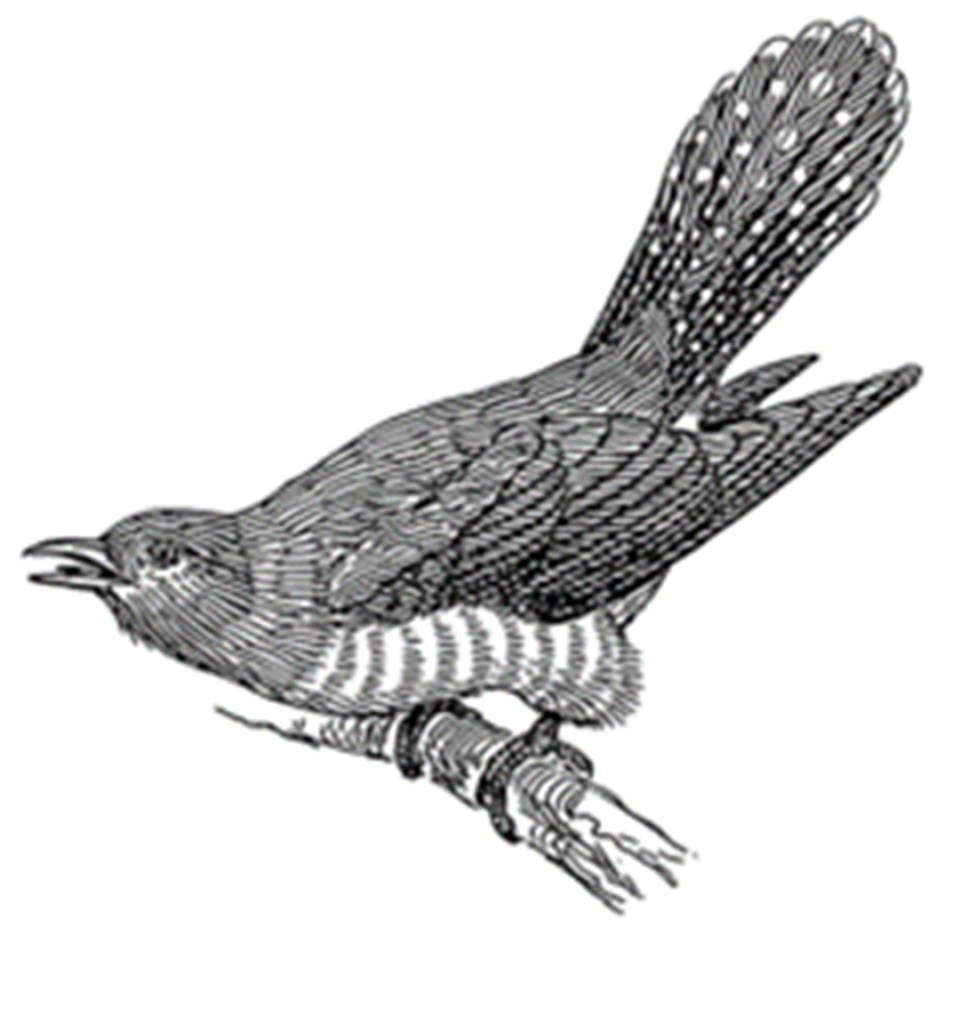
The story of the reason for the Festival is part of Marsden’s folklore.
Signs of Spring chasing away a long harsh winter has always been important for people living in the Pennine hills. As I spent my childhood and teenage years on the other side of the Pennine Hills from Marsden I can remember the difficult winters all too well. When the snowdrops, crocuses and daffodils appeared, then we knew Spring had arrived.
Another sign, of course, is the sound of the first Cuckoo.
In the Marsden story, a cuckoo took up residence in a field, or in other versions, in a tree or even down a chimney. Whatever version is correct, the result involved residents in trying to capture the bird so that Spring would remain. The field wall was built higher, or a circle of stone was built around the tree or extra height was built onto the chimney! Whatever, the bird escaped anyway, mocking them all with its call – which was proof that this herald of Spring was still doing its job.
Other stories were invented in other places and nearby Austwick claims to be the first to tell the tale. Rural rivalry in these matters is very strong!
The Festival continues to celebrate the event.
Of course, Marsden was not alone in celebrating the ‘first’ cuckoo of Spring. There is a custom that people who think they heard the first cuckoo in Spring every year, send a letter to the Times Newspaper. This is duly printed and the readers breathe a sigh of relief that Spring is now officially here.
Historically, the sound of the first Cuckoo is attributed to St. Tiburtius who was a Christian Martyr in Rome and who was beheaded about 286AD. His feast day was April 14th (now moved to August).
St Tiburtius doesn’t seem to have anything to do with a cuckoo. It’s just that tradition has it that in England the bird dutifully arrives on his feast day having made the journey from North Africa. A little rhyme was penned by Rudyard Kipling to note this:
Cuckoo, bring your song here!
Warrant, Act and Summons, please,
For Spring to pass along here!
The arrival of the Cuckoo is usually first in the Channel Islands and then there is a northward flight. Whilst Marsden keep its important festivity, there are other places with their own traditions southward.
It’s stay in England is at least until St. John the Baptist’s day on June 24th but other dates are later including into August. A rhyme about this is:
In April I open my bill
In May I sing night and day
In June I change my tune
In July far far I fly
In August away I must
A sidelight to this is that the rhyme inspired Paul Simon to use it in what is the shortest song on the album he wrote with Art Garfunkel, The Sound of Silence.
The song is April Come she will, and it is believed that Paul Simon was influenced by a girl he met in England in 1964, who recited the song. He thought that this song of Nature was a useful metaphor for the changing moods of a girlfriend. The lyrics can work the other way and tell us something of the Cuckoo’s life.
April, come she will
When streams are ripe and swelled with rain
May, she will stay
Resting in my arms again
June, she’ll change her tune
In restless walks she’ll prowl the night
July, she will fly
And give no warning to her flight
August, die she must
The autumn winds blow chilly and cold
September, I remember
A love once new has now grown old
It is possible that the Cuckoo has no idea of the role we have given it as herald of Spring but then we should remember that it is a creature of God’s own making and maybe, just maybe, God has given it a special role to help his poor humans cheer up as the season of new growth and life and love shows itself. It is after all, Eastertide.
[Mr G ]

# April Come she will lyrics © 1965 Words and Music by Paul Simon
#There is a rather beautiful poem, The Cuckoo, by the 19th century poet, John Clare.
#Thanks to the people of Marsden for information about their unique festival.
#P.S. Don’t forget to plant your potatoes! If you discover why send me a note on
geoffrey_connor@priest.com. You never know, I might send you a bag of crisps.


 Mr G's Ponderings