Month: May 2023

Rogation.

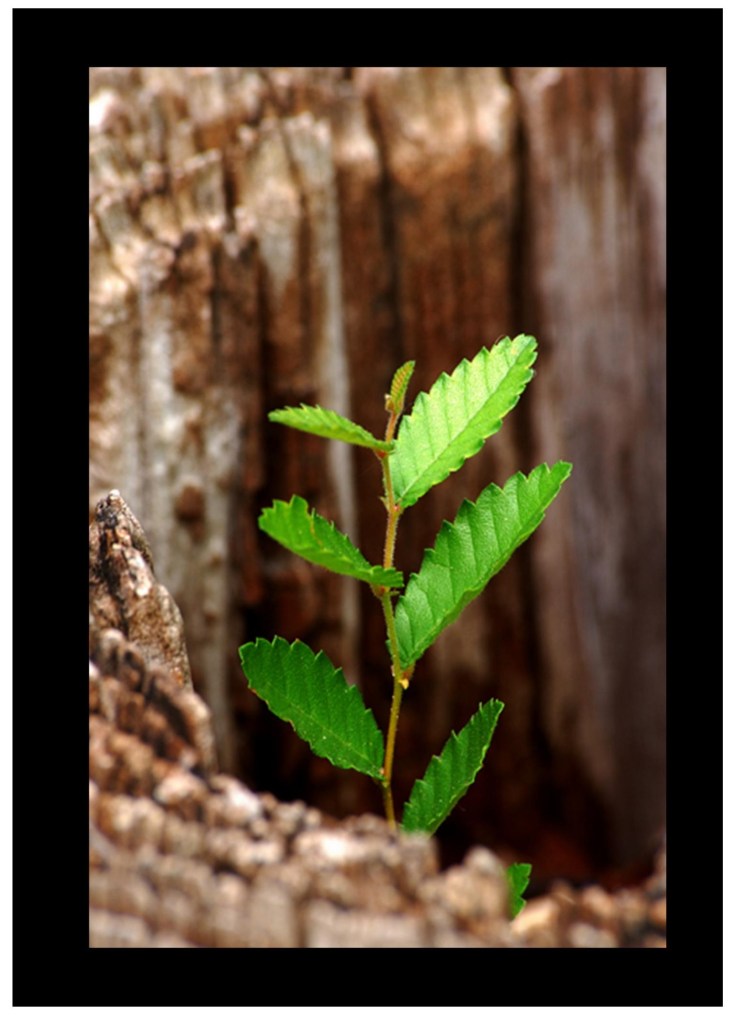
We come to God with seeds of divinity tucked deep inside us and he tends and cares for us, enabling us to grow,
to put down roots and send out branches… (Piers Northam)


Rogation

The days before Ascension Day are known in the Church as Rogation days. The word Rogation comes from the Latin rogare meaning to ask.In the Book of Common Prayer, the Gospel for this Sunday includes the words of Jesus ‘Whatsoever ye shall ask for in my Name, I will give it you’.

Traditionally what is asked for during this period before Ascension Day is for God to bless the crops. It is a religious festival observed these days more in the countryside than in the town but all of us need to give thanks not only for the food we eat but also for those who work to provide it — Farmers and sea fishermen in this country and many others throughout the world. We take so many of these for granted and often care little to know how the food reached the supermarket shelves.

It’s the same, of course, with other goods made cheaply in the Third World. It is only when events like the collapse of a factory in Bangladesh hit the headlines that we begin to question the ethics of slave-labour and inhuman working conditions.  Labels saying made in India, made in China, etc are giveaways. Such goods are more than likely made cheaply and using slave-labour. Unless we want a troubled conscience, it’s best not to think of that!

But, Christians are working for a fairer world in which workers are respected, given decent conditions in the workplace, and given a fair wage. We are also at war with the child abuse which sends small children into factories.  Historians can remind us that in Victorian times we sent them up chimneys but hopefully we’ve moved on from that. We want other countries to move on too. Which is where agencies like Christian Aid come in. Christian Aid is a charity set up by British Churches who work through the Church communities of the third world. So it’s our Charity and through its agency it does a number of things on our behalf.

First and foremost it helps the world’s poor in pragmatic ways through direct help in fighting poverty, malnutrition and disease. It works through local people in order to help them own the work being done. Christian Aid also challenges Governments including our own. Much that passes for overseas aid is tied aid. It helps our own industry as much as it helps the poor. There are often conditions placed on the aid we give. And, of course, Governments can withdraw such Aid whenever they like, often without discussion. This leaves the country being helped in a desperate plight. So Christian Aid is political though not in the party sense.

It challenges not just Governments but Industry, commerce, and all who make money out of the poor. It is a legitimate part of Christian Aid’s work. It also challenges us as individual Christians and as Church communities. It challenges us to pray for the world’s poor and to be in solidarity with them. It challenges us too to act fairly in the things we buy.

One of the great successes of Christians working with others is the Fair Trade movement. Even the most die-hard supermarkets stock some Fair Trade goods these days. Not more than 10 years ago, you could only buy Fair Trade goods in the Co-op and in the Oxfam shop. Today Fairtrade is more widespread. In Churches, Traidcraft stalls are also more popular and are making a big difference to Third world towns, villages, hamlets. Those making the goods we buy are happier, better provided for and, most of all, they are given human dignity. They can be proud of what they make and we can be both proud and humbled in buying those things.

It is no accident that Christian Aid Week comes usually near to Rogationtide. Those taking out envelopes, distibuting leaflets and those organizing events are asking. They are asking people to share amazing week when ordinary people throughout the land, giving small and large amounts, are really making a difference and changing lives.

Alongside the asking comes the thanking. In asking for justice, mercy and love for the third world we are mindful of the rich and bountiful provision God has made for all who live on Planet Earth. God has also given the means to replenish the land and the sea so that all can be fed, watered, sheltered and fulfilled, The fact that we misuse and abuse this is not God’s fault. If the World Governments willed it, poverty could be ended at a stroke. But it isn’t and whilst we might ask why not, it will be God who will make the final judgement. It has been said that when we meet God the question he will ask each one of us is, How much have you loved?  It demands more than words for an answer. Those who withhold what can help others should not be surprised if God is not impressed!
St. Ambrose, long ago, said that when we give to the poor we are merely giving back to them the portion that is rightly theirs. What he said is worth considering at Rogationtide.

It is not from your own possessions that you are bestowing alms on the poor, you are but restoring to them what is theirs by right. For what was given to everyone for the use of all, you have taken for your exclusive use. The earth belongs not to the rich, but to everyone. Thus, far from giving lavishly, you are but paying part of your debt.

St. Ambrose.

Almighty and eternal God, you crown the year with your goodness
and give us the fruits of the earth in their season:
grant that we may use them to your glory;
so that none may hunger,
none may thirst,
and all may cherish the gifts of your creation;
through Jesus Christ, our Lord,
who lives and reigns with you,
in the unity of the Holy Spirit,
one God, world without end.

Amen.
Foxes of Latton

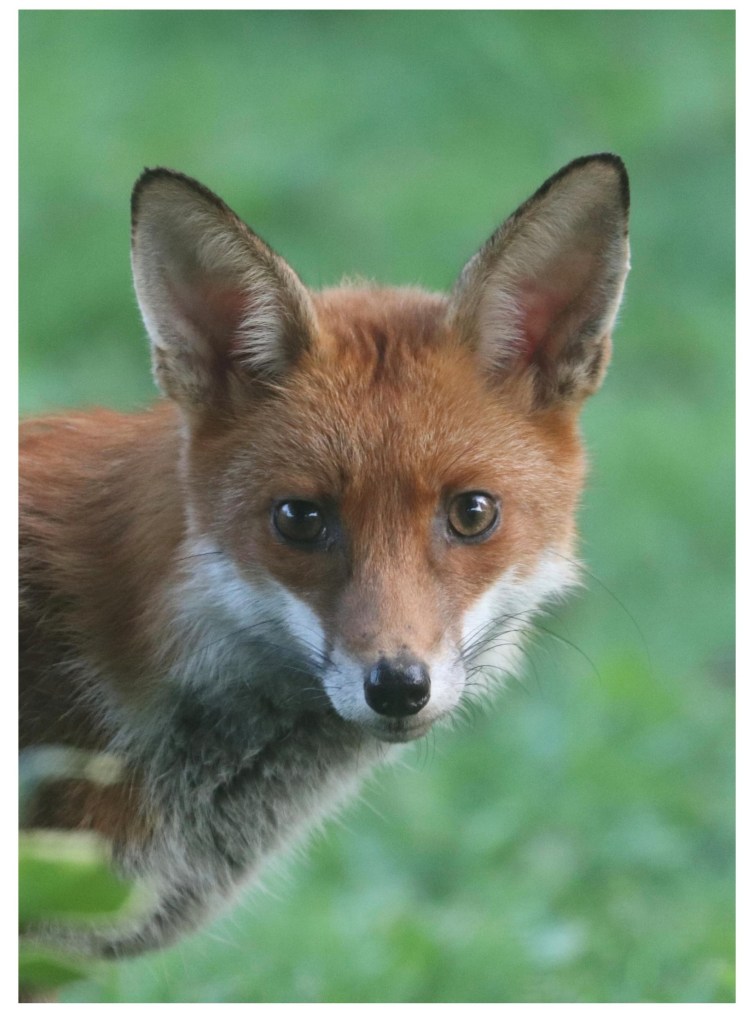
Latton foxes, Minnie-Mama photographed byLynn Hurry

The Foxes have returned to Latton Vicarage!
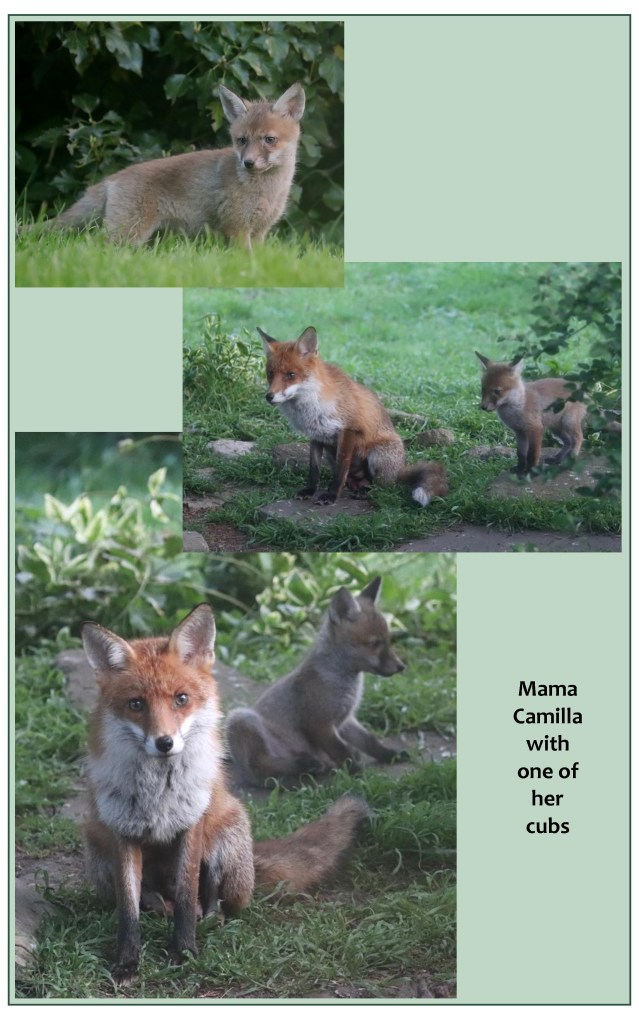
Regular readers of this Blog will be familiar with the antics of the fox cubs in Latton Vicarage garden and we are sure there will be more this year. Mama Fox died last year bur one of her daughters, named by Vicar Lynn as Minnie-mama  has given birth. Another, who has been named Camilla in honour of The Queen, has already shown off some of her cubs.
Vicar Lynn has been busy with her photo-box so we are assured of regular updates.
As Spring unfolds, the world is teeming with new birth, of which the foxes  are a sign.

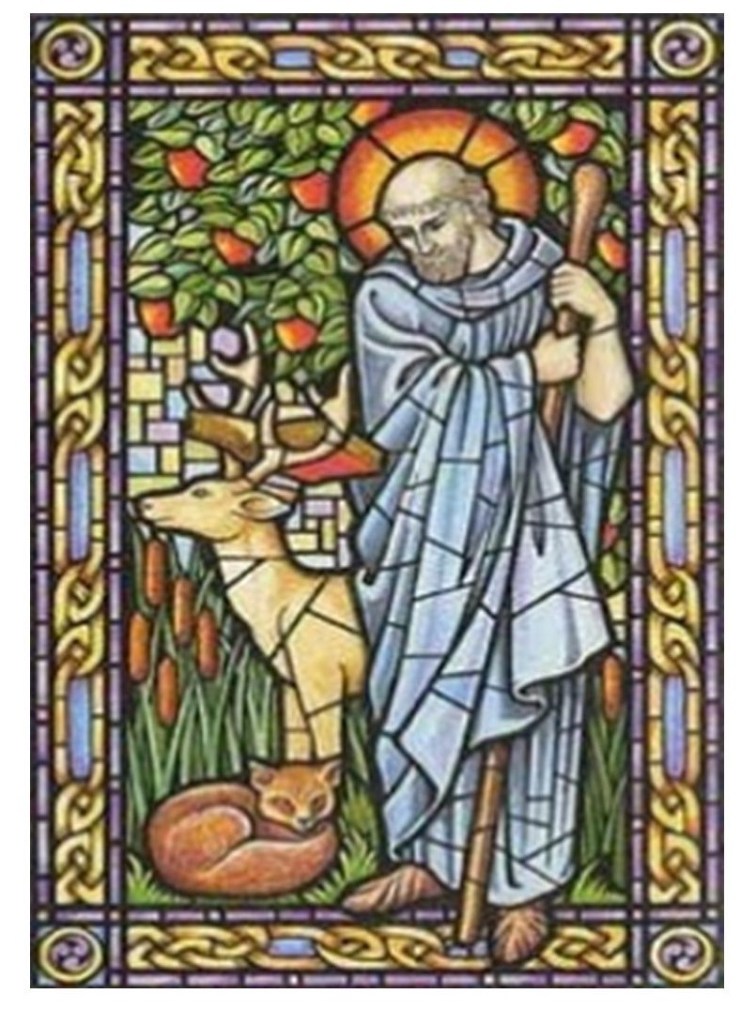
As the fox cubs are being brought up on ‘holy ground’ next to the church, watched over and fed by Vicar Lynn, it is not hard to think of it being an animal convent. Which thought brought to mind the story of St Ciaran and Brother Fox.

In 1934, the scholar Helen Waddell published a small colletion of tales from the Desert Saints and the animals who lived with them. The collection was revised in 1995 by Esther de Waal who provided an introduction to them.
This story is about St Ciaran after he arrived in Ireland at the behest of St. Patrick.

“When St Ciaran settled in Ireland, he sat under a tree. Nearby was a wild boar. The boar was very annoyed at seeing him but sensed something about the saint  that made him flee in terror. As Ciaran established himself and built a cell that would eventually grow into a monastery, the boar was made tame by God and he slowly returned. He became Ciaran’s servant and began tearing down twigs and grass with his teeth, helping to make secure the saints dwelling place. Ciaran regarded him as his first disciple.The boar became company for Ciaran until other animals joined.These animals came from their dens in the wilds. A fox, a badger, a wolf and a deer came to live with Ciaran. They all obeyed the saint’s words in all things as if they had been his monks.

Alas, though, one day, the Fox, shrewder and wilier than the others, stole the abbots shoes and, abandoning his vow, carried them off into the forest, intending to chew them out of sight. Knowing this, the good father sent brother Badger after the fox. The badger was well learned about the woods and set out obediently and straightway went to the den of the fox. Brother Fox was just about the gnaw his master’s slippers so he began to bite the fox’s ears and tale and cropped his fur. Fortunately, Brother Badger had got there in time. He forced the fox to return to the monastery to do penance for his theft. The shoes were returned none the worse for wear.
St Ciaran asked, “Why did you do this evil deed which monks shouldn’t do. We have all we need here—food, water and all we share with each other. If there were things that were lacking, we would have asked Almighty God to get it for you.”
Then the fox asked forgiveness and did penance by fasting and would not eat again until the Saint said he could. After that, Brother Fox lived sociably at peace with the others.

Other disciples joined Ciaran but always, those animals who had begun the work with him lived all the rest of their lives in his company, tame and familiar, for the same was always glad to see them always.
Not least, Brother Fox who had learned the way of repentance and the joy of God’s forgiveness.

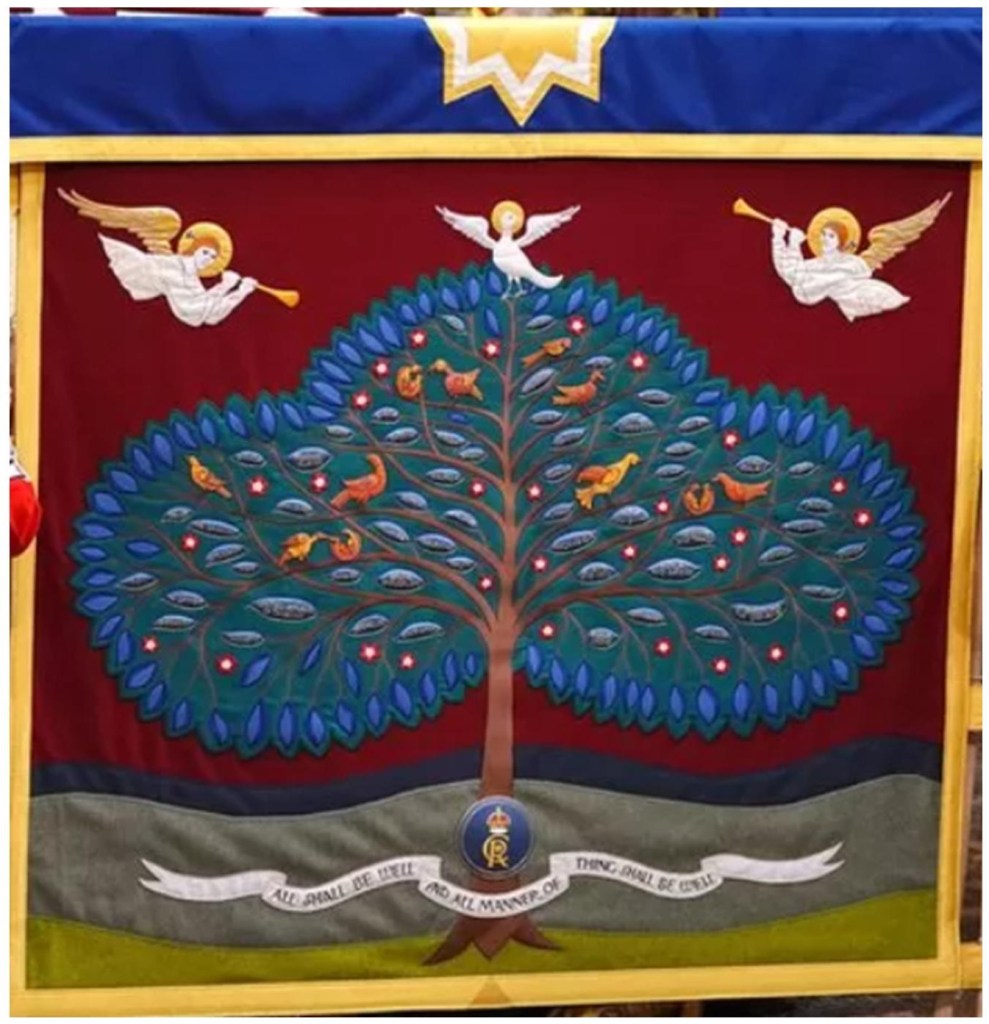
Anointed to serve

Photo: BBC

A Call to service.

At the beginning of the Coronation Service Samuel Strachan, a boy of His Majesty’s Chapel Royal, addressed The King:
Your Majesty, as children of the kingdom of God we welcome you in the name of the King of kings.
King Charles replied:
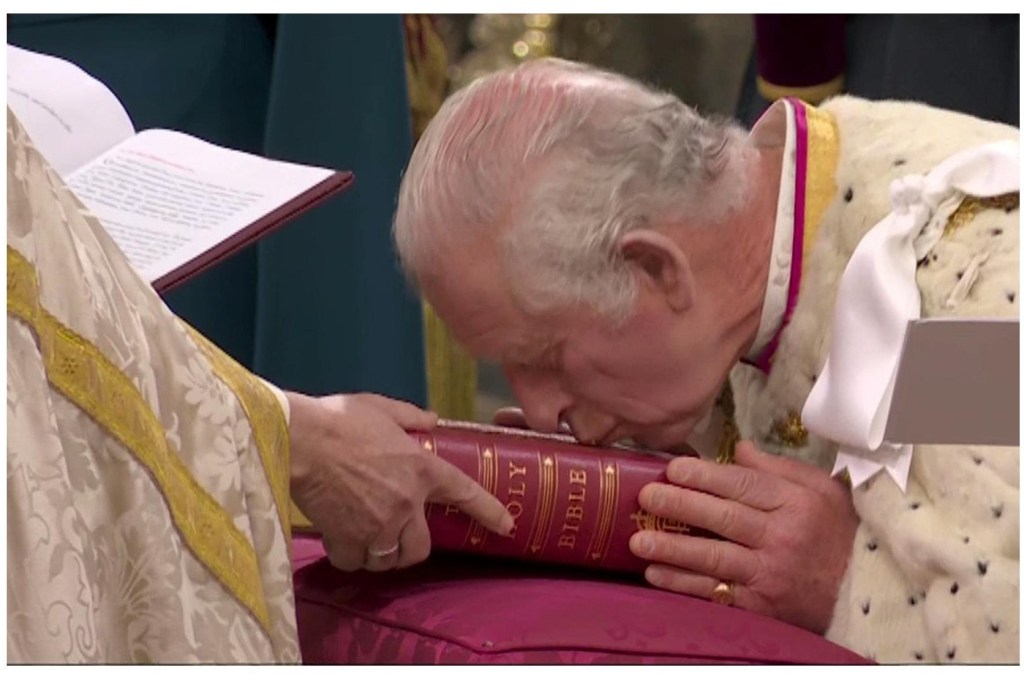
“In his name and after his example I come not to be served but to serve.”

Right at the beginning of the Coronation; a service rich in music, symbolism, pageantry, and historic significance, the heart of what was happening was stated clearly.
King Charles had come with Queen Camilla to Westminster Abbey to be consecrated to a particular kind of life; a life of Service.

The Archbishop of Canterbury at the beginning of his sermon said:
We are here today to crown a king and we crown a king to serve.

The word and the meaning dominated the proceedings.

King Charles, himself, placed himself under obedience to serve and he referred to the Gospel message of Jesus who made it quite clear that He came not to be served but to serve.
Charles prayed:

GOD of compassion and mercy whose Son was sent not to be served but to serve, give grace that I may find in thy service perfect freedom and in that freedom knowledge of thy truth. Grant that I may be a blessing to all thy children, of every faith and belief, that together we may discover the ways of gentleness and be led into the paths of peace; through Jesus Christ our Lord. Amen.

King Charles thus pledged his life as King to the King of Kings by imitation.
He saw and proclaimed it his duty to serve in a way which is Love in Action and which reaches out to the vulnerable in our society and builds up communities where all share this duty of service.  With our King we are all called to dedicate our lives for the service of others.
This is what was behind the invitation of the Archbishop for the Nation to get behind our new Sovereign in an allegiance to share with him in a life of service.

As the Archbishop was to say later, we are bound together with our King to work for the Righteous Salvation of all.
This was a work which was a pledge between God and the King and between King and the People.
For this work King Charles is consecrated, set apart, not from the people but for us.

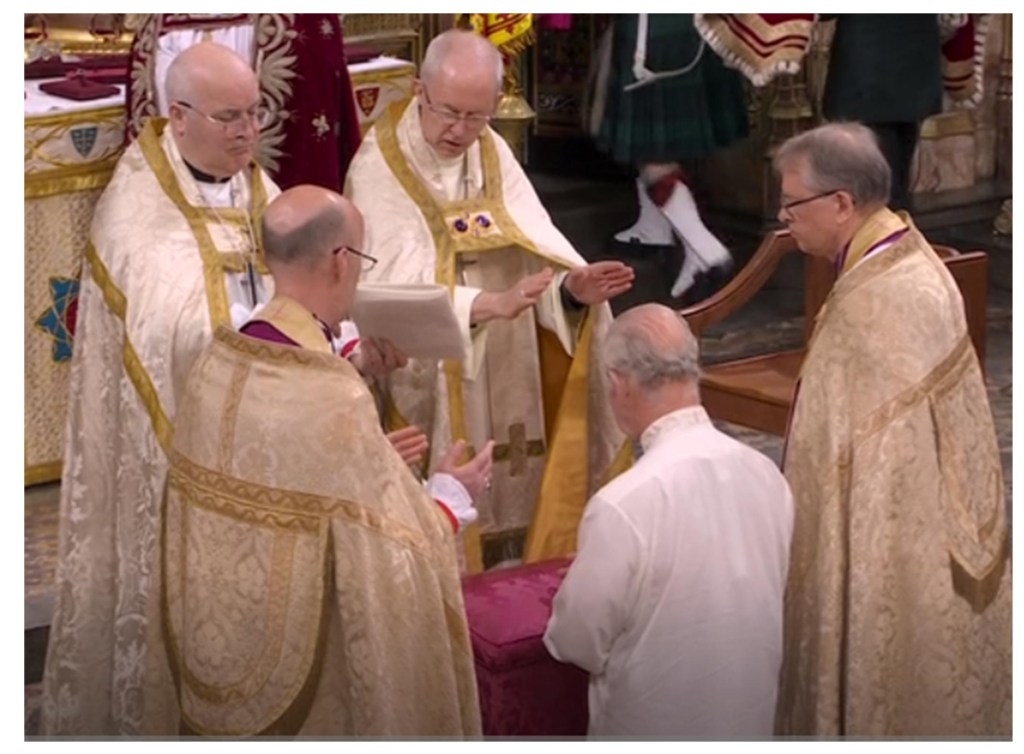
Coronation is an act of Ordination in much the same way that the Ministry of the Church is set apart to serve God and people.
The Crowning and anointing are sacred acts of being Chosen by God and set apart as all those who ministered to the King in that service to others.
Whilst there are differences in how that is done by the King, the Queen, the working members of the Royal Family, and all those who are ordained in some way, Archbishops, Bishops, Priests, Licensed ministers, all who have submitted to God through Baptism, the call to serve is the same.
The context for this is to be found in the marvellous reading from 1 Peter 2:1-10
This is an example of what the Moderator of the Church of Scotland said, of Scripture, Wisdom, Royal Law and one of the
Lively Oracles of God.
In this passage from 1 Peter Chapter 2: 1-10 is the text for all of us to be set apart as servants of the King of Kings.

In the context of the Ministry and Service of Jesus whom the writer of 1 Peter calls the Living Stone, who has been chosen and precious in God’s sight, we too are to be living stones who are also chosen and are precious to God.

When I read this, I think of all those times when I walked over the hills of the North! On rocky and not always distinct paths, I would come across Cairns, mounds of stones which were way marks, showing the uncertain traveller which way to go. They were a godsend and there is a custom that, if possible, you are to add a stone or pebble to the cairn. That way you will help to guide others.

I believe that when 1 Peter asks us to become Living Stones we are being encouraged to add our lives to the waymarks which lead people through this world to heaven.
We become these way marks through a life dedicated to God, consecrated to prayer, opening our hearts to the Lively Oracles of Scripture, learning from others who have laid waymarks for our own personal journey – those who have nurtured and encouraged our faith. Things which have built us up to be, as 1 Peter puts it, spiritual houses.

But the epistle goes further.
We are Consecrated, set apart, as a Royal Priesthood, which is another way of saying that, through our life as people Baptized by God, we have a particular calling to represent and serve God in the world.

We know that there is a cost to this Priestly ministry but also that Jesus has paid this cost.

In the Coronation Service we were reminded what this cost entailed.
In our Lord’s Coronation, he bore a heavy weight for us. His throne is the Cross. His Crown was made of thorns; His robe was seeped, in blood, his marks of Kingship were the wounds he bore on his body.
A very different Coronation indeed but through it we became people whom the writer of 1 Peter puts it:
A chosen race,
A royal priesthood, a holy nation and most of all:
God’s own people.

How marvellous is that!

Here is the Pledge and Promise of God to us.
Here lies the bedrock of our life of service.
Here is the spring of absolute joy, of hope, of love.

Here is the source of our energy to transform the world, starting with the people and places with whom and with which we are most nearly connected.

We are called and set apart by God for an amazing mission,
To proclaim the mighty acts of him (God) who called you out of darkness into his marvellous light.

We can do this because we are God’s people.
We are filled with God’s mercy and his love and because we receive God’s Grace, the outpouring of His very Being into us.

During the Eucharist, the Archbishop prayed
 that by the anointing of God’s grace, Charles  may be the Defender of Faith and the:
Protector of thy people; that, with him, we may learn the ways of service, compassion, and love; and that the good work thou hast begun in him
this day may be brought to completion in the day of Jesus Christ.

Note that –with Him,

In the verses which follow our reading from 1 Peter,(2:11f) there is an exhortation to behave in such a way towards others that through us they may see God at work and so glorify Him with us.

The alternative Collect for Easter 5 sums up both the ministry of King Charles and ours, and puts it in the context of our Lord Jesus Christ.
Risen Christ.

Your wounds declare your love for the world
and the wonder of your Risen Life.
Give us compassion and courage to risk ourselves
for those we serve, to the Glory of God the Father.
Amen

[Mr G]

Anointing Screen, front. BBC

Nature re-birthing

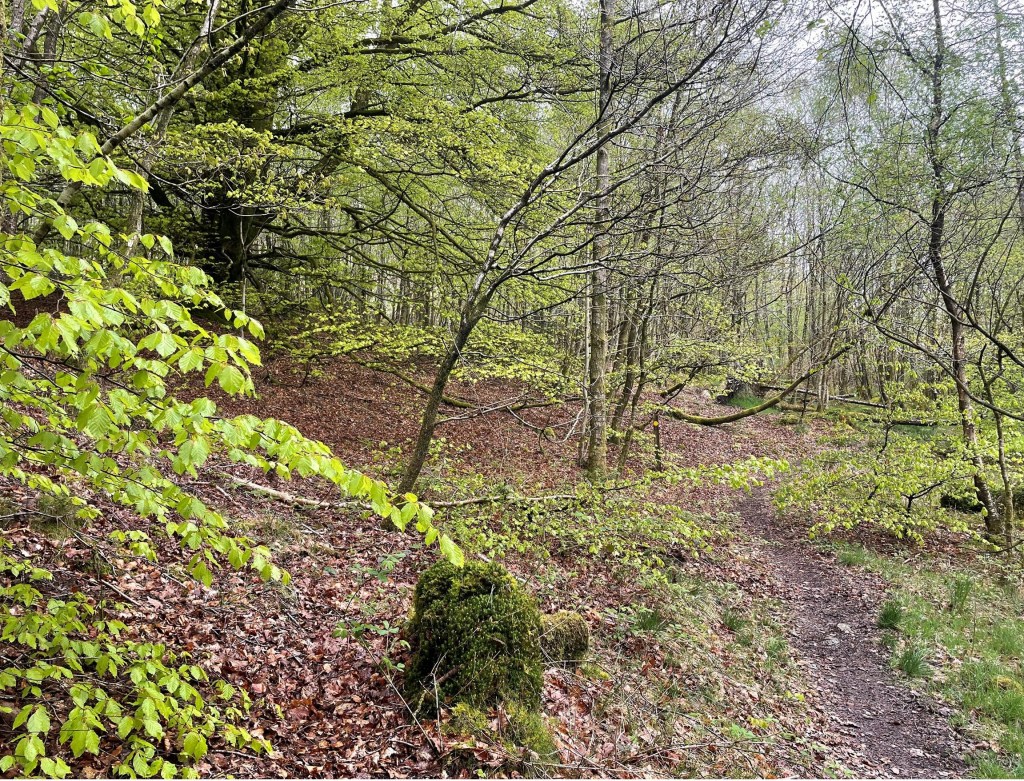
Photo by Gill Henwood. The old Beech reclothed in finest greenery

After a concentrated time in the heart of a rather wet London (albeit in front of the television screen!) it’s good to move away on the day after King Charles & Queen Camilla’s Coronation into the more tranquil climes of English woodland awakening fresh in the Maytime light.

So when my friend Gill Henwood sent me some more photographs of nature filling all around with beauty and expectation, I exchanged the joyful emotions of pageant and symbol and human pledging of life to a new degree of service, for something rather different.

In the woodlands and countryside of the Northern hills of the Lake District a busy beauty is going on as plants, new-born lambs and birds and creeping things and teeming fish playing joyfully, splashing through waterfalls. We are well into the wonders of new-birth as Eastertide unfolds and spirit-filled life offers a new joy.

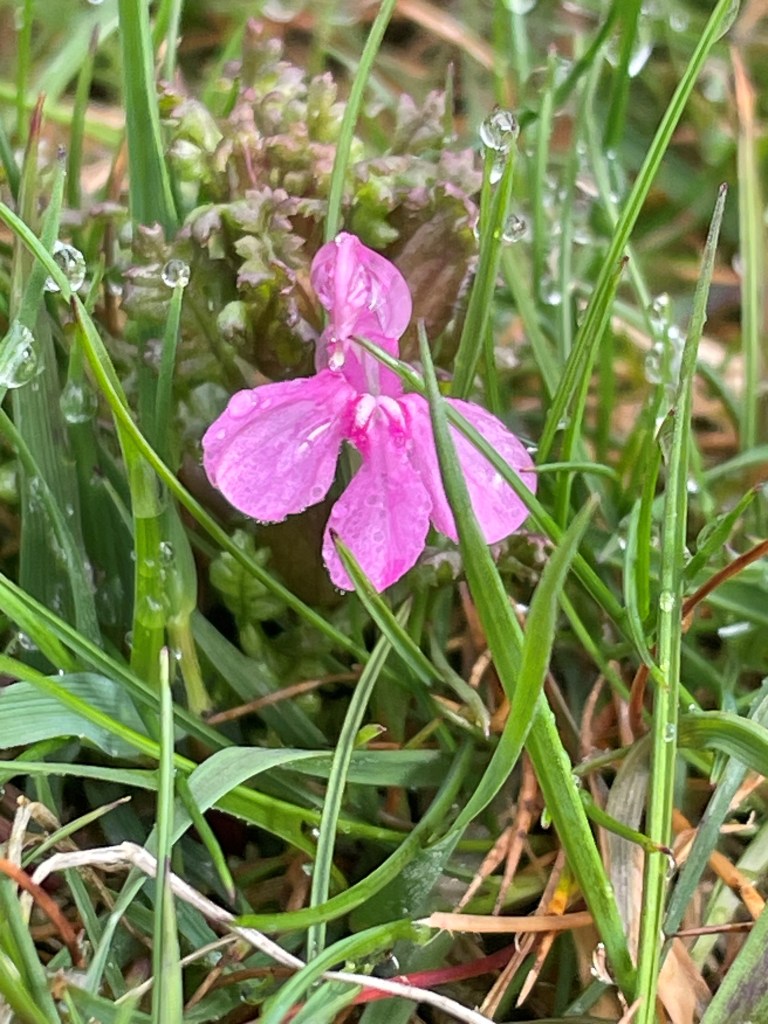
So, Gill speaks of the emergence of the Lousewort and other signs of new growth:

Lousewort flower, photographed by Gill

“Tiny pink heath plant just in flower for the coronation weekend. 5mm across, a sign of the heaths and high meadows coming into growth. No sign yet of the hundreds of orchids that flowered in this field in 2020, during lockdown when no cattle were grazing the field. 

A new spring and a new royal era – eastertide hope of renewal after loss and bereavement.

“And the songbirds are singing their choral anthem all around, with a cuckoo punctuation.
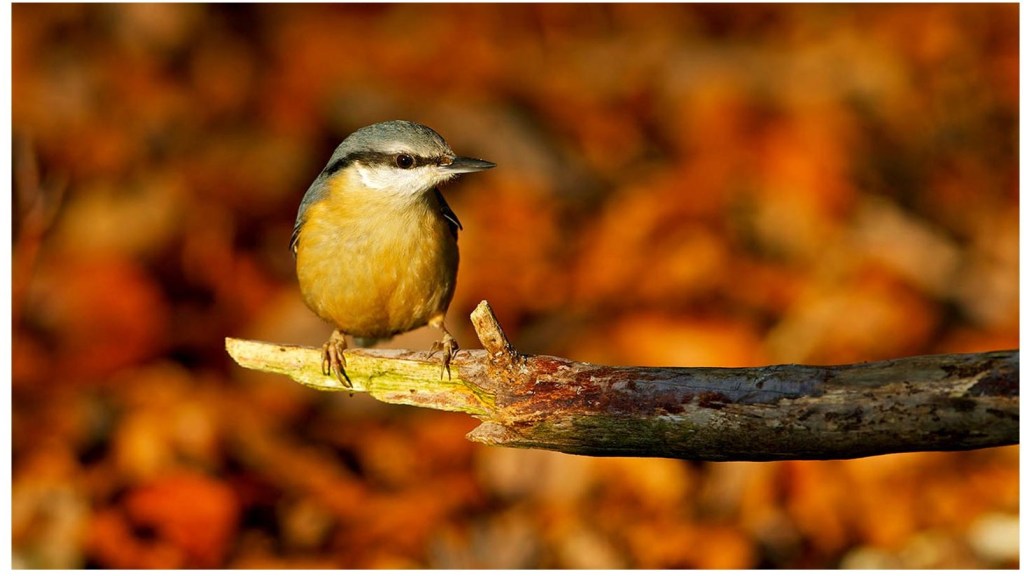
Now the nuthatch is sounding its single-note call,
it’s time to stroll through the newly furnished delicate dewy leaves of the beeches…

photo of Nuthatch c/o Woodland Trust.

This is also the ancient time of Beltane, of May and summer’s beginning.

– the dainty woodland floor and hedgerow flowers are all compact and individually almost missed. Primroses, violets, greater stitchwort and even native drooping headed bluebells make their impact growing together. A patterned tapestry on a bank and an unfurling mosaic on a heath or in the woods. Responding to long days of light and the increasing warmth of the sun towards the June solstice.

A parable in nature of Gods love given in and through all creation – if only we stop and notice the myriad glimpses all around us….

Photo: Gill Henwood

Take a breather.

Breathe,
be filled with amazement,
purposefulness,

wonder,
awesomeness,
love,

ah! God

[Mr G]
7th May 2023